
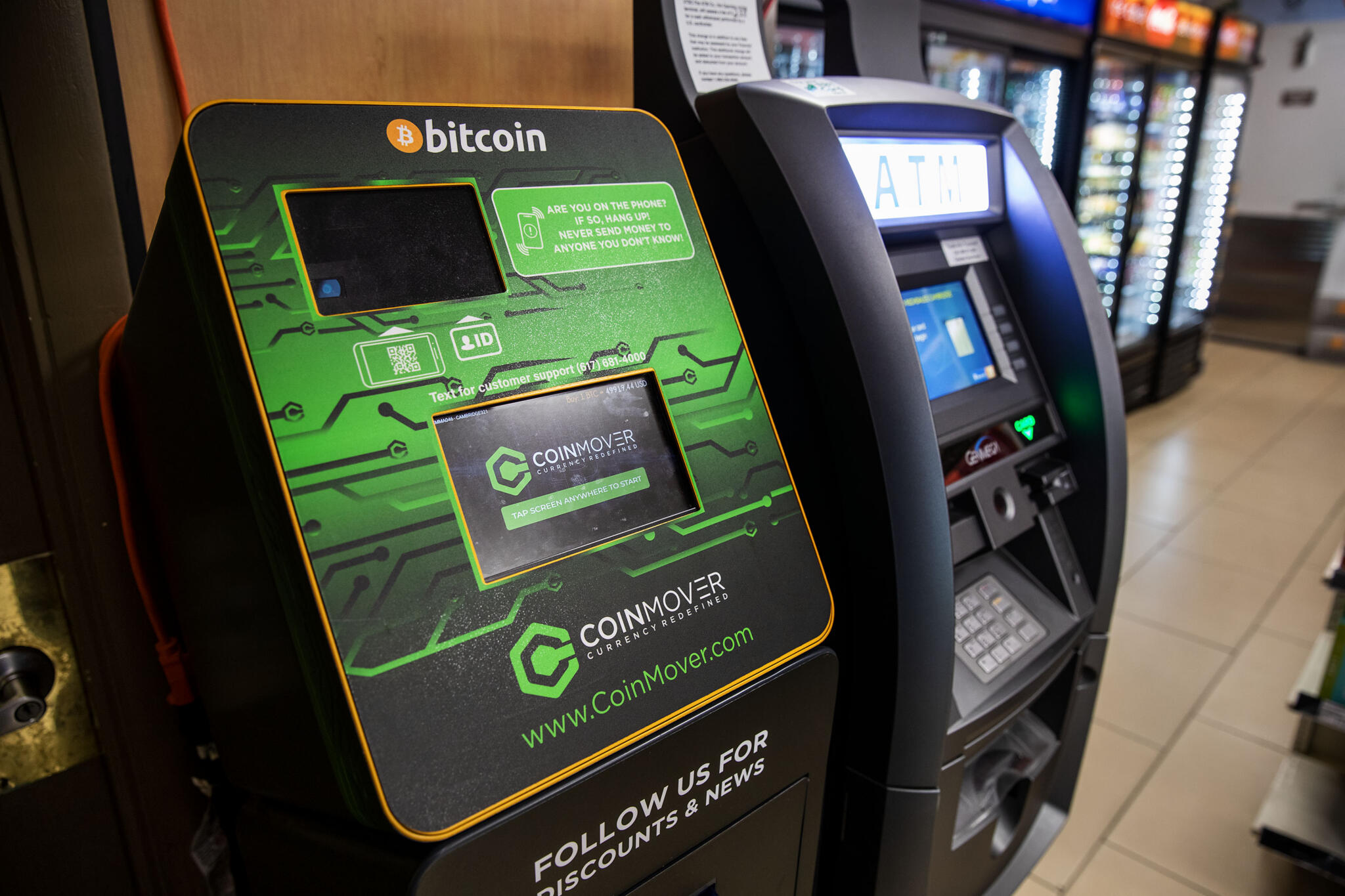
States and cities across the country are moving to ban cryptocurrency kiosks as scams keep rising. Lawmakers want to stop these local cash machines because fraudsters use them to steal money from everyday people. Local leaders hope taking these machines away will protect their residents from bad actors.
Why are governments planning to ban cryptocurrency kiosks?
Local leaders are taking action because too many people are losing money to financial traps. Fraudsters often tell victims to deposit cash directly into a local automated machine. These machines convert the cash into digital money instantly. Once the transaction goes through, the victim loses their funds forever.
Many city officials believe these physical machines make financial fraud too easy. The setup allows criminals to stay completely anonymous while taking cash from local victims. By removing the machines from local stores and gas stations, leaders hope to block the main path criminals use to collect stolen money. You can learn more about how criminals target digital funds by reading about cryptocurrency and crime.
What does this mean for ordinary people using cash?
If these local laws pass, regular people will not find these machines in their neighborhoods anymore. Anyone who wants to buy digital funds will have to use online platforms instead of local cash counters. This changes how local communities access alternative money tools in their daily lives.
For most citizens, these bans offer a stronger layer of safety against predatory calls and emails. Scammers will no longer be able to send nervous victims to a neighborhood shop to deposit cash. While some honest users might miss the fast access to cash machines, leaders feel the public safety benefits are much larger. People can review basic facts about cryptocurrency online to see how digital assets work without these physical machines.
How did local scams lead to these new kiosk bans?
In the past, physical cash machines popped up rapidly in convenience stores across small towns and big cities. Most people saw them as simple tools to trade digital assets quickly. However, police departments quickly started noticing a steady trend of fraud linked directly to these specific street corners.
Criminals began calling older adults and posing as government agents or utility workers. They demanded fast payment through these local automated street counters to solve fake emergencies. As these sad stories filled local police reports, city councils realized that soft warnings were not enough to protect their communities from heavy losses.
What should readers watch for as these laws move forward?
More local governments are expected to vote on similar street machine rules in the coming months. State lawmakers are watching early test cities to see if local bans lower total reported fraud numbers. If these early steps work well, national lawmakers might write bigger rules for physical digital money counters.
You should check your own town council meetings to see if your local area is planning a ban. Warn your friends and family never to send emergency cash through a street machine based on a phone call. Staying aware of these law updates helps keep your hard-earned money safe from bad callers.





0 Comments